01
Assess Your Current Skills
We review your experience and identify areas for development through a short questionnaire.
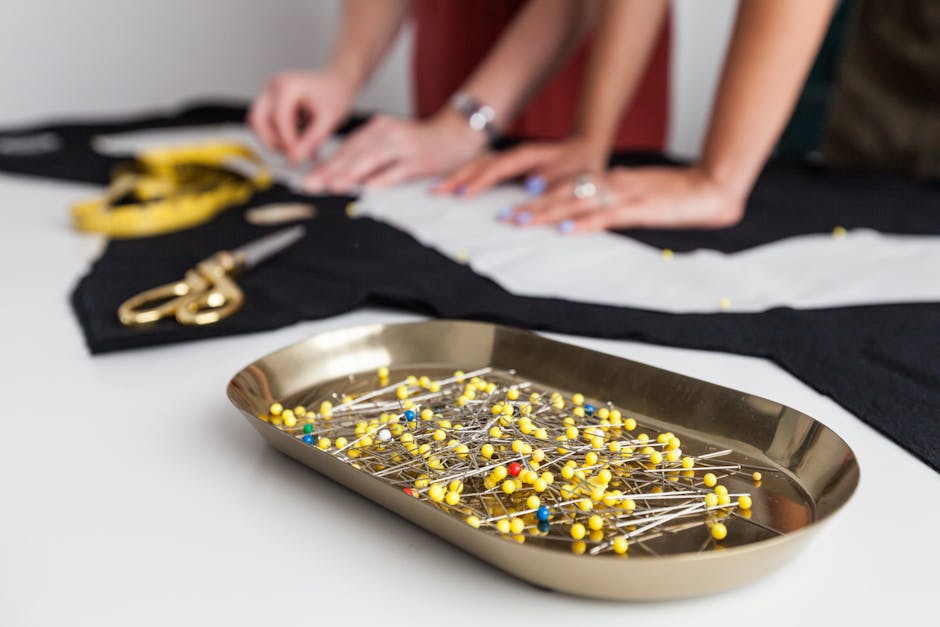
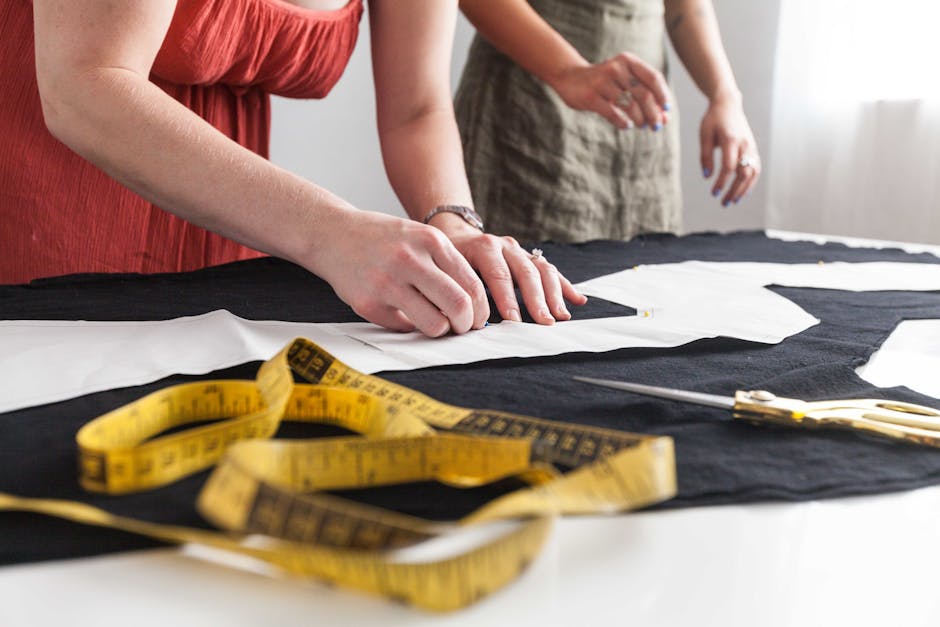
Explore structured courses focused on pattern drafting, couture seam finishes, and handling challenging materials like silk, velvet, and lace. Each session is designed for experienced sewers who want to build a deeper understanding of professional techniques and design principles.
Request Course DetailsUnderstanding the underlying principles of garment construction allows you to adapt patterns, solve fitting issues, and work with confidence. Our modules break down advanced methods for princess seams, welt pockets, and invisible zippers. Each technique is presented with step-by-step demonstrations and supporting materials, so you can practice at your own pace and integrate new skills into your existing workflow.
Couture Craft offers a structured curriculum that moves beyond basic instructions. Each module centres on a specific construction challenge – from tailoring a double-breasted coat to inserting a lining in a silk dress. We provide technical diagrams, video demonstrations, and written guides that explain the reasoning behind each step. Instructors with industry experience share insights on material behaviour, seam allowances, and finishing techniques. The goal is to give you a reliable reference framework that you can consult whenever you encounter a new design problem.
We review your experience and identify areas for development through a short questionnaire.
Choose from a range of advanced topics such as coat tailoring or bridal gown construction.
Access recorded sessions, annotated patterns, and practice exercises designed for self-paced learning.
Submit your completed work for a one-to-one video consultation with an instructor.
The module on welt pockets saved me hours of trial and error. The clear breakdown made a difficult technique manageable.
I appreciated the emphasis on fabric handling for silks. The demonstrations were precise and easy to follow.
The coat tailoring course gave me a systematic approach to fitting adjustments. I now feel confident adapting patterns.
When you understand the structural logic of a garment, you can make informed design decisions instead of following a pattern blindly. Our materials explain why certain seams are placed where they are, how grain lines affect drape, and what to consider when substituting fabrics. This knowledge stays with you, allowing you to troubleshoot and innovate in your own projects.
Couture Craft's courses are developed by professionals who have worked in haute couture and bespoke tailoring. Each module is structured around a real-world garment – a tailored jacket, a bias-cut dress, a lace bodice. We examine pattern drafting, construction sequence, and finishing techniques used in high-end studios. The materials include detailed seam sketches, tension guides, and alternative methods for different fabric types. This approach ensures that the techniques you learn are directly applicable to the garments you want to create.
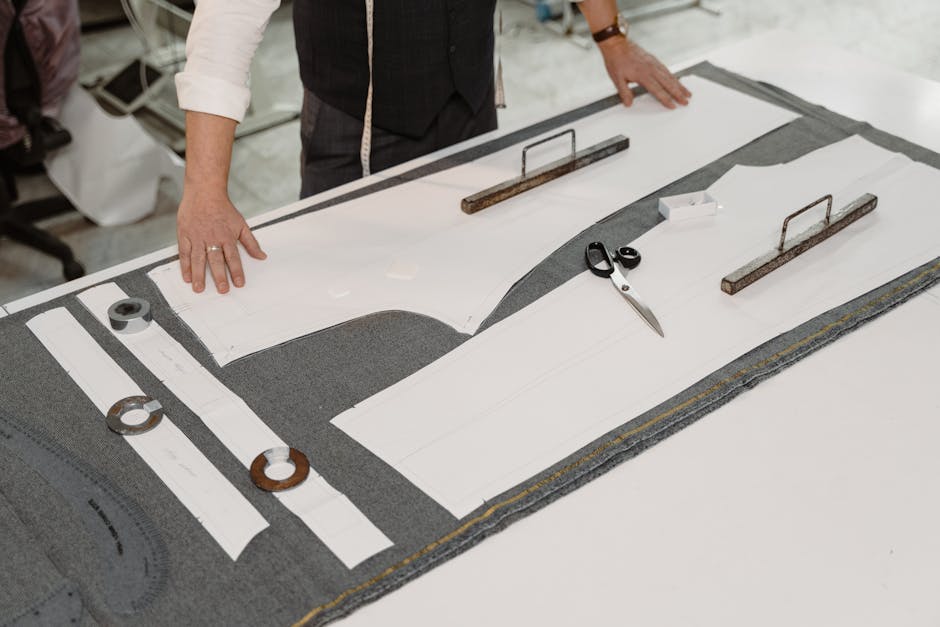
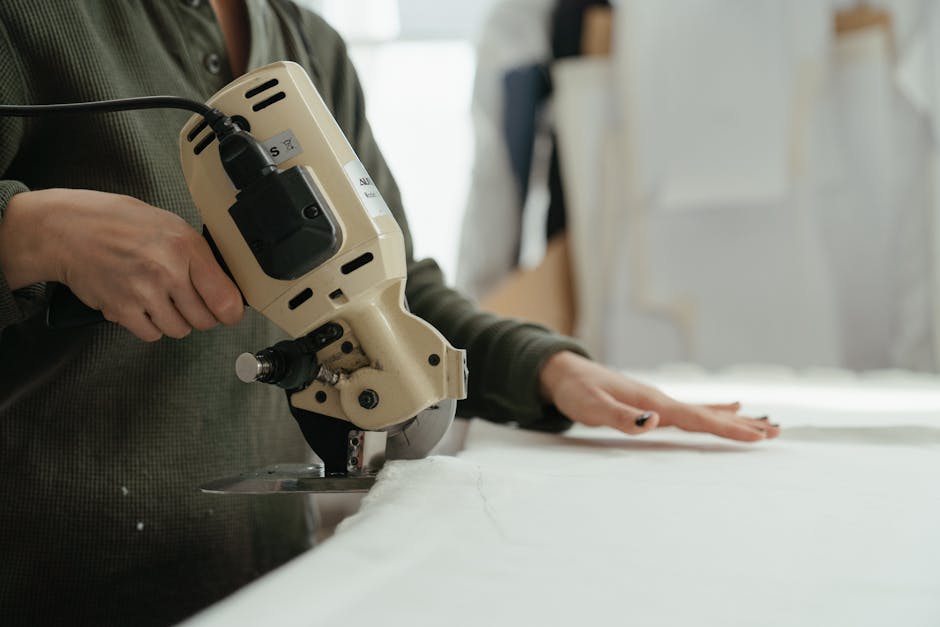
Learn to draft and adjust patterns for complex silhouettes.
Explore French seams, flat-felled seams, and bound seams.
Step-by-step assembly from lining to final pressing.
Techniques for silk, chiffon, lace, and organza.
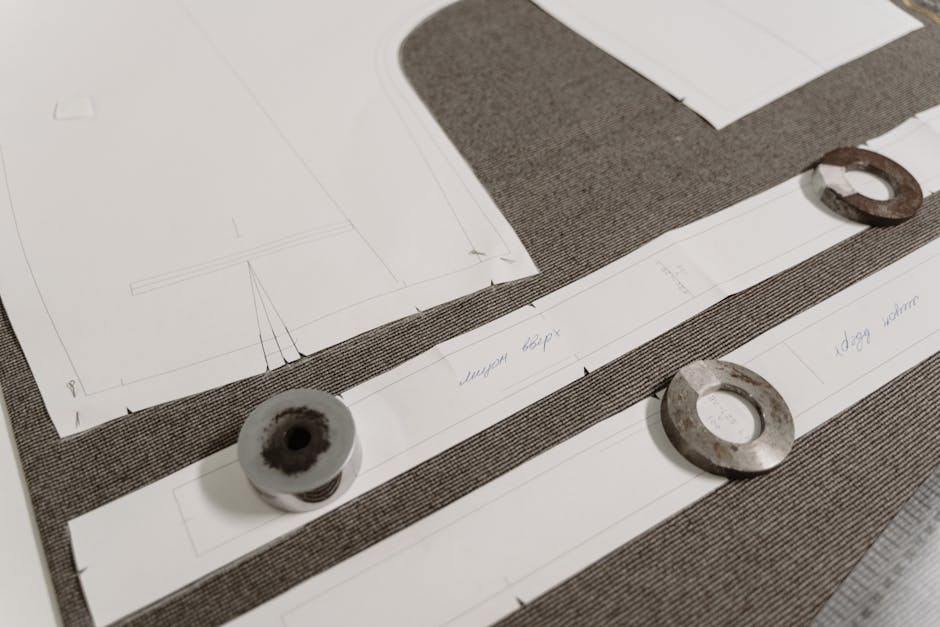
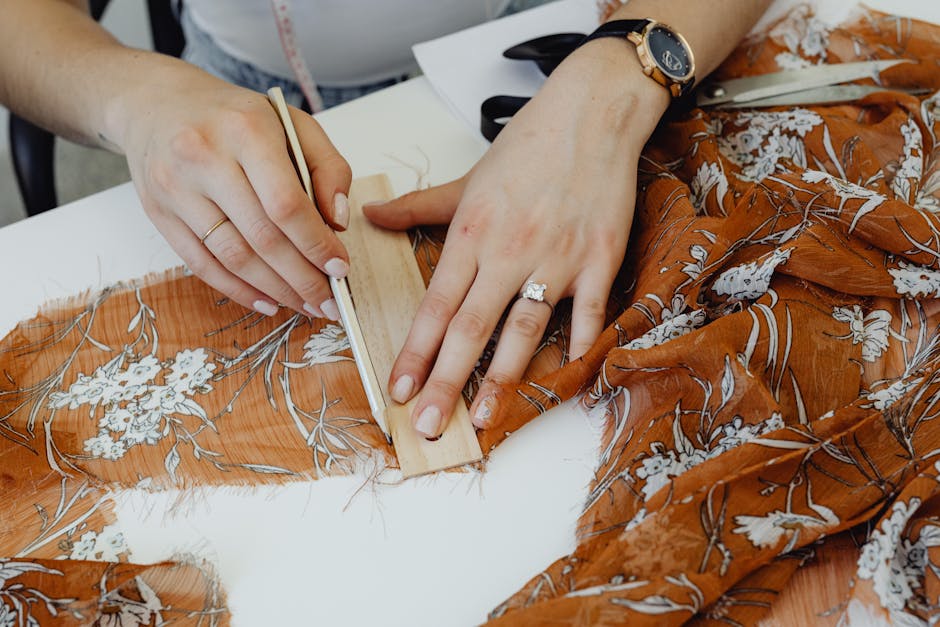
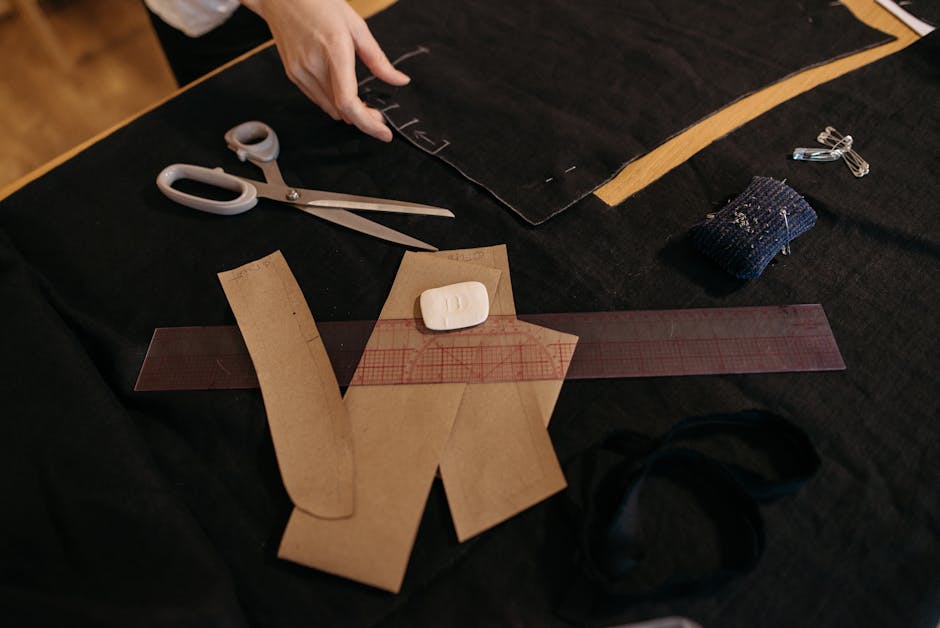
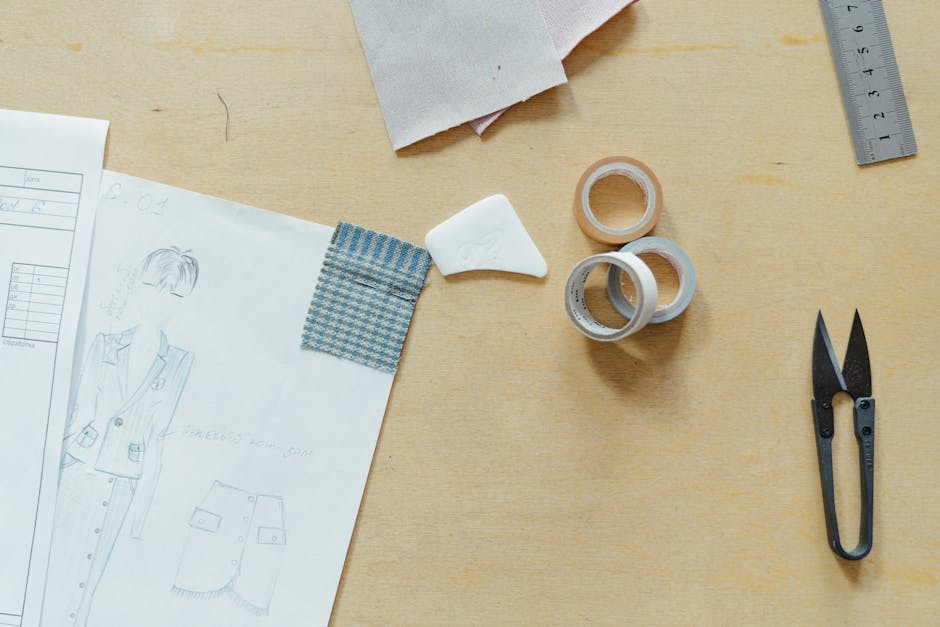
Many accomplished sewers find that self-taught methods reach a plateau. Couture Craft provides a structured environment where you can refine skills that professional tailors use daily. Our curriculum covers advanced topics such as underlining, pad stitching, and invisible hemming. Each technique is explained with reference to its purpose and effect on the final garment. By understanding the 'why' behind each step, you gain the ability to adapt techniques to your own designs. The course materials remain accessible for future reference.

The choice of fabric greatly influences the construction techniques you will use. Delicate fabrics like silk charmeuse require different handling than sturdy wools. In our modules, we examine how fibre content, weave structure, and weight affect cutting, pressing, and seaming. We discuss methods to stabilise bias cuts, reduce puckering, and create clean edges on slippery materials. Additionally, we cover the importance of grain alignment and how to adjust patterns when using fabrics with directional prints or nap. This knowledge helps you predict how a material will behave and choose appropriate techniques accordingly. The goal is to develop a practical understanding that you can apply to any fabric you encounter in your projects.
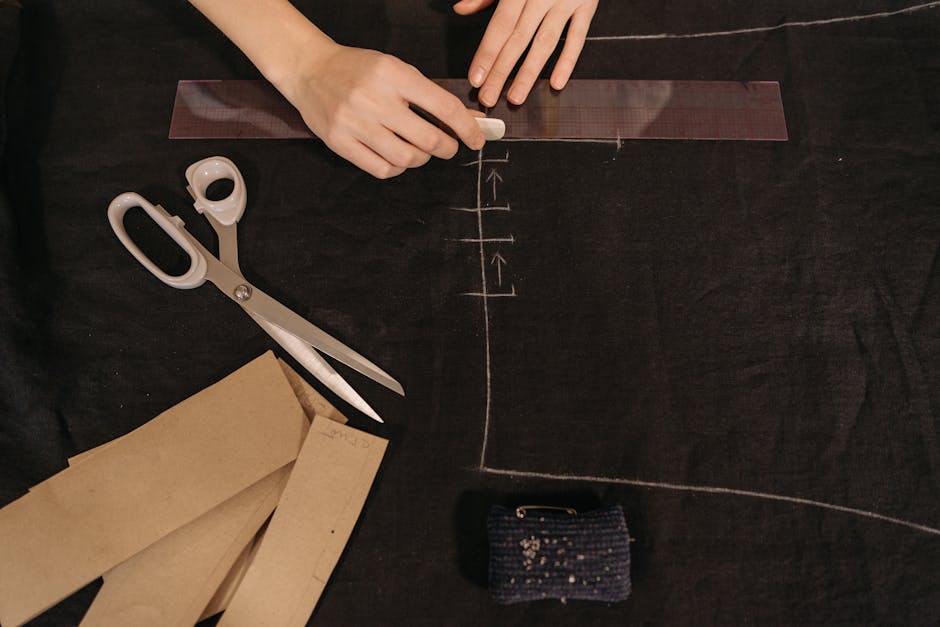
Methods for double-faced fabrics and reversible garments.
Full bust, shoulder slope, and swayback modifications.
Structured notched collars and shawl collars.
Smocking, pleating, and appliqué procedures.
Selecting the correct seam finish is a critical skill for advanced sewers. Each finish affects the garment's durability, comfort, and appearance. In our courses, we compare techniques such as the French seam, bound seam, and flat-felled seam, explaining where each is best applied. We also discuss how seam finishes interact with fabric type – for example, a serged edge may be adequate for woven cottons but less suitable for transparent silks where neatness is visible. Understanding the trade‑offs between strength, bulk, and visual finish allows you to make intentional decisions. We provide examples of industry standards for different garment categories, from evening wear to outerwear. This knowledge helps you produce professional‑quality results regardless of the project.
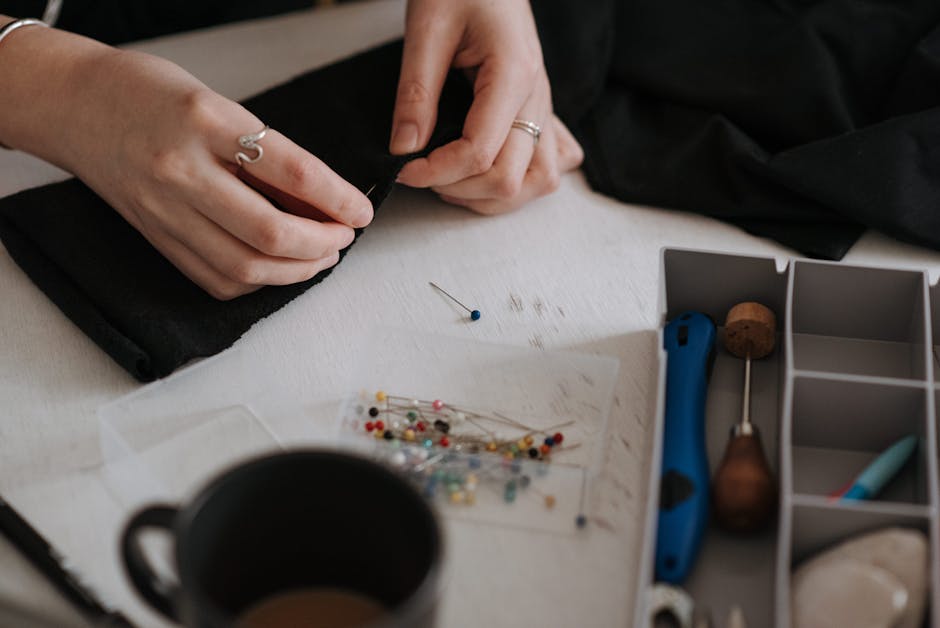
Couture Craft's aim is to provide resources that continue to serve you long after you complete a module. All course materials remain accessible, including updated pattern libraries and technique glossaries. We also host occasional live Q&A sessions where participants can discuss recent projects and ask specific questions. By building a community of experienced sewers, we encourage shared learning and problem‑solving. Our instructors are available for one‑on‑one consultations to address individual challenges. This ongoing support helps you apply the techniques you've learned to new designs and refine your skills over time.
Browse through our available modules and read detailed descriptions of each topic.
Choose one or more modules based on your current projects and skill gaps.
Register for your chosen module and receive immediate access to all resources.
Work through the content, practice the techniques, and ask questions as needed.
Complete the form below to receive a detailed brochure and course schedule. We will respond within one business day.